Where Should You Print Boudoir Photos? What Most People Miss About Privacy

Roberta Staske
Owner & Studio Director

What You'll Learn
Printing boudoir photographs is not the same as printing vacation pictures.
A beach sunset and an intimate portrait may both be meaningful, but they carry very different expectations about privacy, handling and discretion. When you upload a boudoir photograph to a photo service, you are trusting that service with an image you may not want strangers, employees or automated systems to review.
Most people focus on price, print size and turnaround time. Those matter, but they are not the whole decision. Where you choose to print boudoir photos also determines who sees the image, how it is cropped, how the color is adjusted, how it is packaged and how long the file is stored.
Before you upload anything, it helps to understand what most people miss.
Printing Boudoir Photos Is Different From Printing Vacation Pictures
A standard photo lab is built for everyday images: family gatherings, landscapes, pets and events. The process assumes that most photographs can be reviewed, corrected and handled without concern.
Boudoir photographs sit outside that assumption. They are personal, often intimate, and intended for a private audience. Printing them through a service designed for casual snapshots can create situations the lab never planned for.
This does not mean consumer labs are unsafe. It means the decision deserves a little more thought than picking the cheapest option. A few minutes of research can prevent an awkward conversation, a rejected order or a print that does not look the way you expected.
If you are new to the boudoir experience, you can learn more about the Staske boudoir photography experience before deciding how to handle your finished images.
Start by Reading the Printer's Privacy Policy
Every reputable photo service publishes a privacy policy or terms of use. Most people never read it. For boudoir photographs, it is worth the few minutes.
Look for answers to these questions:
- How long are uploaded files retained after an order is completed?
- Can you request that your files be deleted?
- Are uploads used to improve services, train systems or for internal testing?
- Are photographs shared with third-party processors or fulfillment partners?
- Is the upload connection encrypted?
- Does the service describe how it handles flagged or restricted content?
Policies vary between services, and they change over time. What a lab allowed last year may not match its current terms. Check the live policy rather than relying on a forum post or an old article.
If a service does not clearly explain how it handles uploaded images, that silence is itself useful information.
Who May Handle or View Uploaded Photographs?
An upload does not disappear into a fully automated void. At many labs, a human may see your photograph at some point in the process.
Automatic systems handle much of the workflow, but flagged orders, quality checks, manual color corrections and packaging can all involve a person viewing the image. Some labs also review content to enforce their terms of service.
This is not necessarily a problem. Professional labs train their staff and handle private images routinely. But it is worth knowing whether human review may occur, so you can decide whether that level of exposure is acceptable to you.
If discretion is a priority, ask the service directly or choose a lab that specializes in private or fine-art printing and explains its handling process clearly.
Check the Lab's Rules for Intimate Images
Not every photo service accepts intimate but non-explicit photographs. Some retailers and online platforms have content policies that restrict or prohibit certain types of imagery, even when the photographs are artistic and tasteful.
Before uploading, confirm that the service accepts boudoir-style photographs. A rejected order wastes time, and it can leave you wondering whether your images were reviewed or stored during the review process.
Look for language about "intimate," "sensitive," "adult" or "restricted" content in the terms of service. If the policy is unclear, contact the service before uploading rather than discovering the rule after an order is declined.
For a broader look at how a studio handles privacy and consent, read about how Staske Photography handles boudoir privacy and image sharing.
Why Automatic Cropping Can Ruin a Boudoir Portrait
Many consumer labs automatically crop images to fit standard print sizes. A photograph shot in one aspect ratio may be forced into another, and the lab's software decides what to cut.
For a landscape, losing a bit of sky is rarely a disaster. For a boudoir portrait, an automatic crop can remove a hand, change the framing of the body or cut off a detail that made the photograph work.
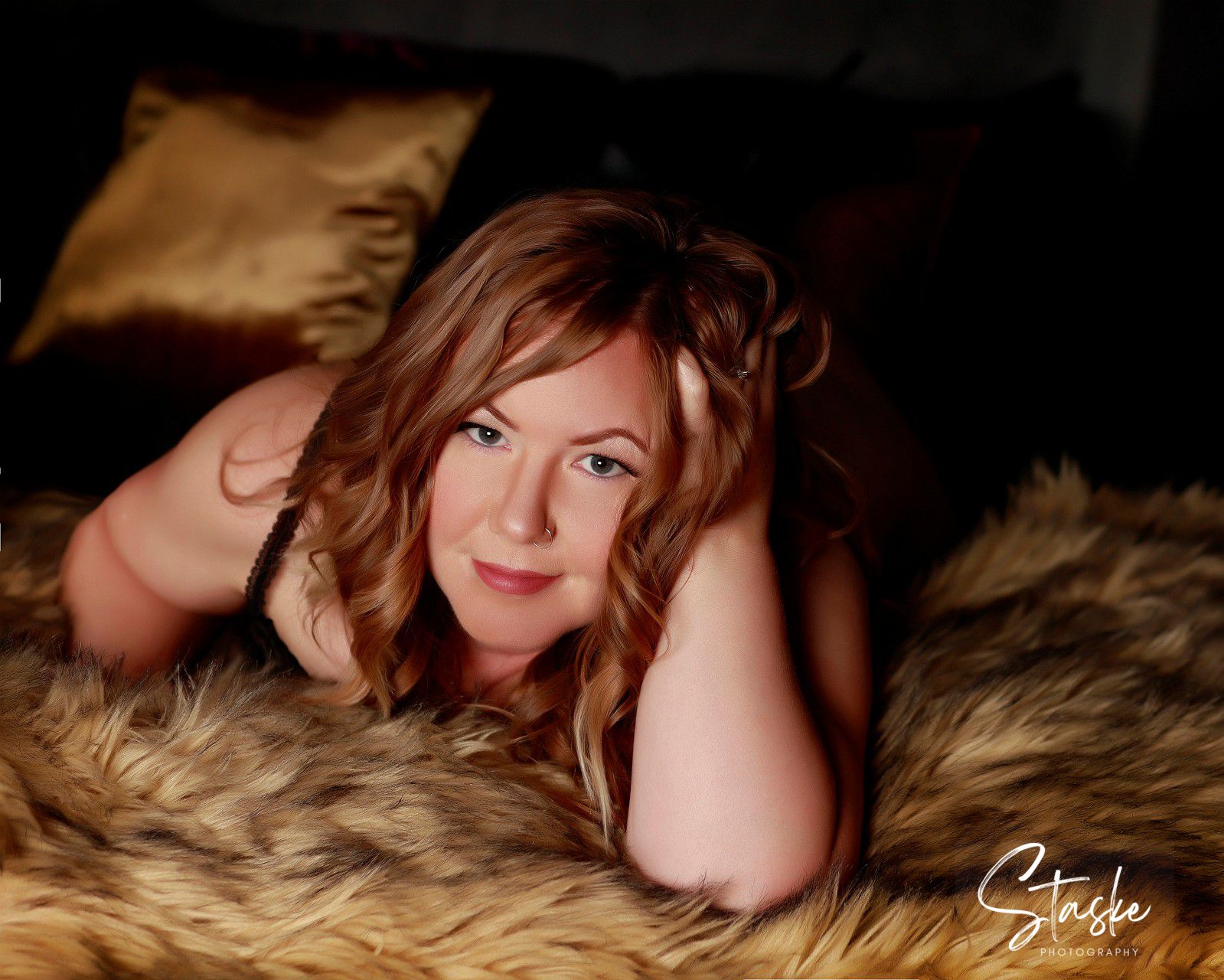
Before ordering, check whether the lab allows you to disable automatic cropping or preview the crop before printing. Some services offer a "no crop" or "full bleed" option that preserves the original composition, though it may leave a thin border on certain sizes.
Also confirm that the photograph's aspect ratio matches the print size you selected. A mismatch is the most common reason a printed boudoir portrait looks different from the screen.
Automatic Color Correction Is Not Always an Improvement
Many labs apply automatic color and exposure correction by default. The intention is to improve dull or underexposed snapshots. On a carefully edited boudoir portrait, that correction can undo deliberate choices.
Studio boudoir photography often uses intentional lighting, controlled contrast and specific skin tones. Automatic correction may brighten shadows the photographer meant to keep, shift skin tones toward an unnatural hue or flatten the depth that made the portrait feel dimensional.
If the lab offers an option to turn off automatic correction, use it. If not, ask whether you can order prints without adjustments, or choose a lab that respects the uploaded file as-is.
Skin-tone accuracy is especially important in intimate portraiture. A lab that handles portraits regularly will usually produce more natural color than a high-volume consumer service optimized for phone snapshots.
Drugstore, Online Lab or Professional Studio?
There are three common places to print boudoir photographs, and each carries different trade-offs.
| Consideration | Drugstore / Local Consumer | Online Consumer Lab | Professional Studio Artwork |
|---|---|---|---|
| Privacy clarity | Often unclear; staff may view prints in-store | Varies; check the published policy | Documented process tied to your session agreement |
| Quality control | High-volume, automated | Automated with limited manual review | Reviewed against the original edit |
| Cropping control | Usually automatic; limited override | Some offer no-crop options | Cropped intentionally to preserve composition |
| Color handling | Automatic correction common | Automatic correction common | Matched to the photographer's edit |
| Packaging | Standard retail packaging | Varies; check for discreet options | Private, discreet delivery |
| Guidance | Minimal | Self-service | Personalized through consultation |
None of these options is automatically wrong. A drugstore kiosk can be convenient for a quick, low-risk print. An online lab can offer more sizes and finishes. Professional studio artwork offers the most control over privacy, color and presentation, but it is a different kind of decision than a casual print order.
The right choice depends on how private the photographs are, how important color accuracy is and how much guidance you want.
Think About Packaging and Delivery Privacy
Packaging is easy to overlook until a print arrives in a box that announces its contents to anyone who sees the delivery.
Most reputable labs use plain packaging, but not all of them. If you live with others or receive mail at a shared address, discreet packaging matters more than it might seem.
Before ordering, check whether the service ships in plain packaging and whether the return address reveals the nature of the contents. Some services allow you to ship to a store for pickup, which can add a layer of privacy.
If you choose professional studio artwork, delivery is usually handled through the studio's own process, which is designed around discretion from the start.
Albums, Folio Boxes or Loose Prints?
How you print boudoir photographs also affects how private they stay over time.
Loose prints are easy to enjoy but easy to leave visible. An album keeps the photographs together in one place and can be stored discreetly. A folio box offers a middle ground: a curated set of prints that can be opened and closed intentionally.
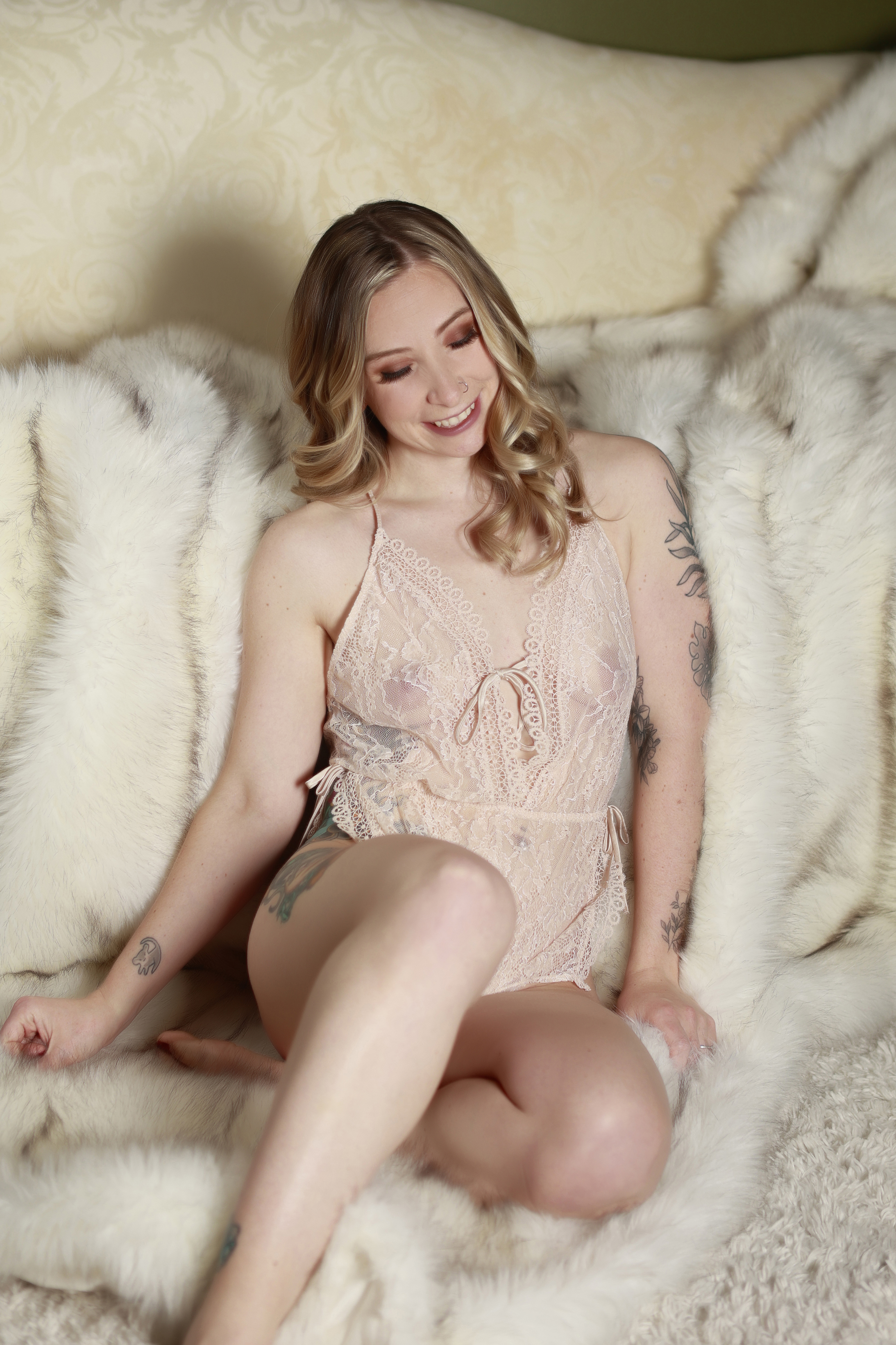
Think about where the finished photographs will live. A print framed on a wall is seen by everyone who enters the room. An album on a shelf is seen only when you choose to open it.
For a detailed comparison of print products and display choices, read about the differences between albums, wall art and professional prints. The right format depends on how you want to experience the photographs and who should have access to them.
Questions to Ask Before Uploading Boudoir Photographs
Before you send intimate photographs to any printing service, ask:
- Does the service accept intimate but non-explicit photographs?
- Are uploads encrypted in transit?
- How long are uploaded files stored after the order is complete?
- Can I request that my files be deleted?
- May a human review my photographs during processing?
- Are third-party processors involved in fulfilling the order?
- Does the service ship in discreet, plain packaging?
- What happens if an order is flagged or rejected?
- Can automatic cropping be disabled or previewed?
- Is automatic color correction applied, and can it be turned off?
- Does the photograph's aspect ratio match the print size I selected?
- Are the files I am uploading high enough resolution for a quality print?
Screenshots, social-media downloads and compressed files often produce poor prints. If you are unsure whether your file is suitable, ask the studio or the lab before ordering rather than discovering the problem on paper.
If you are still choosing a photographer, these same kinds of questions apply to the session itself. Read questions to ask when choosing a boudoir photographer for guidance.
Frequently Asked Questions
Protect the Photograph and the Experience Behind It
A boudoir session represents time, trust and a deliberate choice to create something personal. The way you print those photographs should respect that effort.
You do not need to fear every photo service. You simply need to choose with the same care you used when selecting the session itself. Read the policy, check the crop, confirm the color handling and think about how the finished prints will be stored and seen.
For more from the Boudoir category, or to explore the rest of the Staske Photography blog, there is more guidance on preparing for and enjoying a boudoir experience.
The right print preserves the photograph and the experience behind it. The wrong one can turn a private portrait into an awkward surprise.
Choose where you print with the same intention you brought to the session.
The Eyes See What the Heart Feels.
Roberta Staske
Owner & Studio Director
Responsible for client experience, consultations, marketing, and creative direction. Roberta and Paul are dedicated to creating a luxury photography experience that celebrates your unique story through timeless imagery.
Want Your Boudoir Photographs to Stay Personal?
Talk privately with Roberta about the boudoir experience, your image-sharing choices and how you would like to enjoy your finished photographs.
Book Your Complimentary Boudoir Consultation

